ServicesShed Removal
Shed Removal in Isleton
An old shed that leans, leaks or just takes up the best corner of the yard can come down in a few careful hours. We take it apart by hand, sort the materials, haul everything away and leave the ground clean.
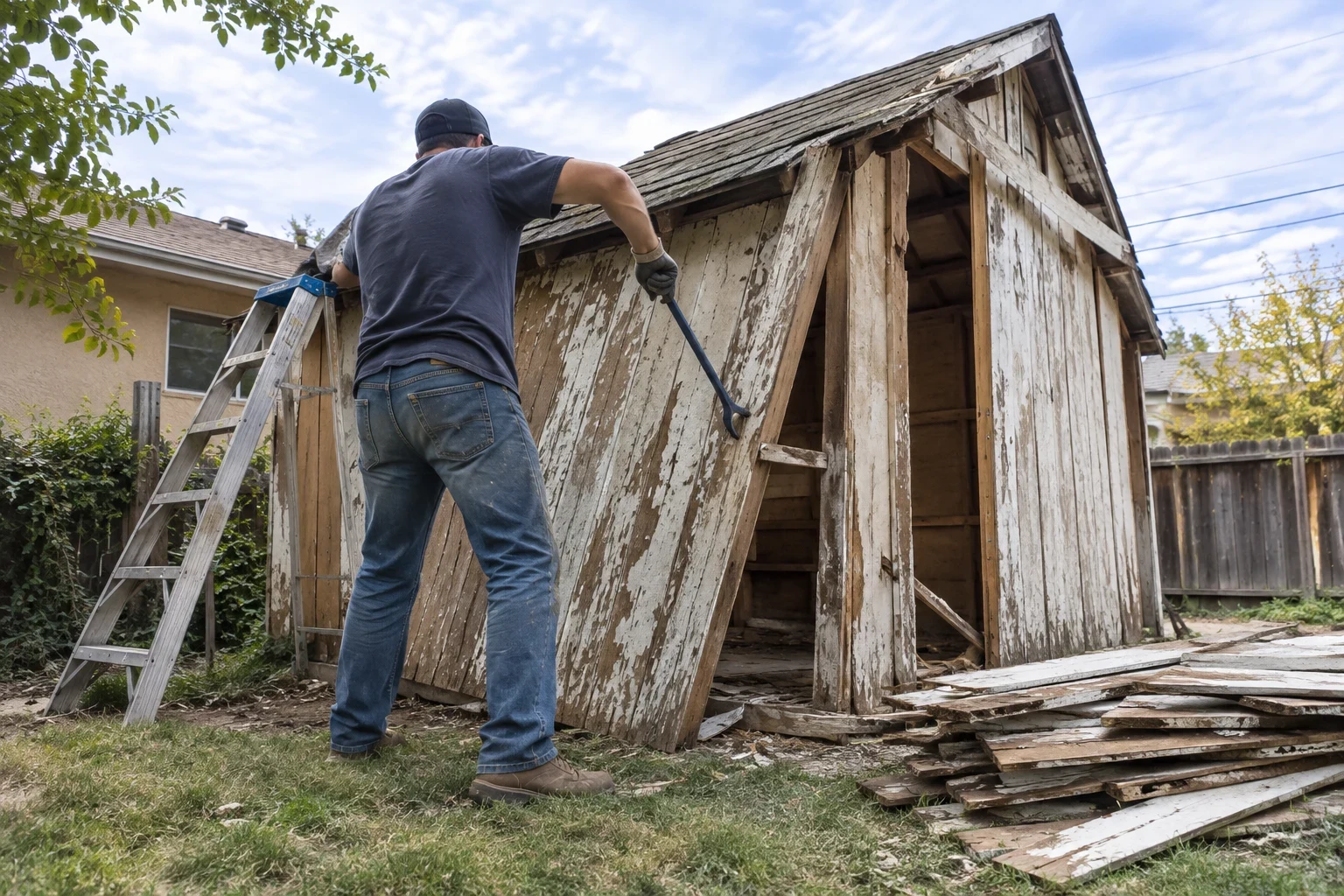
Taking a shed apart the right way
Shed removal is more than knocking walls over. Each type of shed comes apart differently, and how it is built decides how much time, labor and disposal the job takes. A wood shed with an asphalt shingle roof is heavy and full of nails. A metal kit shed is light but has sharp panel edges and dozens of small screws. A resin shed unclips in sections but cannot go in with mixed debris at most recycling yards.
We look at the frame, the roof, the floor and what sits underneath before we give you a price. That way the number we quote on site is the price you pay, with no hidden fees once the work starts.
It is usually the right call when the shed has started to rot or rust, when you need the space for a new structure or garden, or when a new owner simply does not want it.
What the work includes
- Emptying the contents
- If the shed is still full of tools, paint cans or old lumber, we clear it first. Anything you want to keep goes where you point.
- Hand dismantling
- We take roofing off first, then walls, then the floor frame. Working top down keeps panels from falling toward fences, plants or your home.
- Material sorting
- Clean lumber, sheet metal and recyclable plastic are separated on site. Shingles, treated wood and rotten plywood go to the right disposal stream instead of one mixed load.
- Floor and skids
- Wood floors and the pressure-treated skids or blocks beneath them come out too. We pull exposed nails and screws as we go.
- Ground cleanup
- Once the last piece is loaded, we rake the footprint and walk it with a magnet for stray fasteners. You get a bare patch of ground, not a field of roofing nails.
Signs your shed is ready to come down
Soft or spongy floor
Plywood floors soak up moisture from the ground. Once they flex underfoot, the joists below are usually going too, and repair rarely makes sense.
Rust through the panels
Surface rust on a metal shed is cosmetic. Holes along the bottom edge or around the screws mean water is getting in and the frame is weakening.
A leaning frame
Doors that no longer close or a roof line that dips are signs the posts or skids have shifted. Damp winters speed this up in older wood sheds.
Brittle or faded resin
Plastic sheds left in full sun turn chalky and crack at the joints. Once panels split, they cannot be patched in a way that lasts.
Pests settling in
Wasps under the eaves or rodents nesting under the floor are hard to clear while the shed stands. Removal ends the problem at the source.
What shapes the price
Shed removal is priced on what it takes to take apart and dispose of, not on a flat guess. Two sheds of the same size can differ a lot once we see the materials and what sits underneath. We give you one number on site, and that is what you pay.
Size and build
A small metal kit shed comes apart quickly. A framed wood shed with a shingle roof and a raised floor takes more labor and fills more of the truck.
Materials and disposal
Clean metal and lumber are cheaper to handle than shingles, treated wood or rotted plywood, which need separate disposal.
What is inside
An empty shed is the simplest job. Paint, chemicals or years of stored items add sorting time and volume.
Access to the yard
A shed beside the driveway is quicker to clear than one behind a narrow side gate or at the back of a long lot.
The foundation
Skids and blocks are part of the job. A poured concrete slab is extra work, and if you want it broken out we can talk through it as part of our light demolition service.
How shed removal day runs
- 1
Estimate on site
We look at the shed, check what it is made of and ask what you want done with the ground. You get a firm price before any work begins.
- 2
Utilities and access
If the shed has power running to it, that line needs to be disconnected by an electrician before we start, and we will mention this on the call. We also plan the path to the truck so we avoid lawns and soft beds where we can.
- 3
Dismantle and load
Our crew takes the shed apart in order and loads materials as they come off. Most standard backyard sheds are down and loaded in a single visit.
- 4
Rake and final walk
We clean the footprint, sweep any hard surfaces and walk the area with you. Anything you spot that we missed, we pick up before the truck leaves.
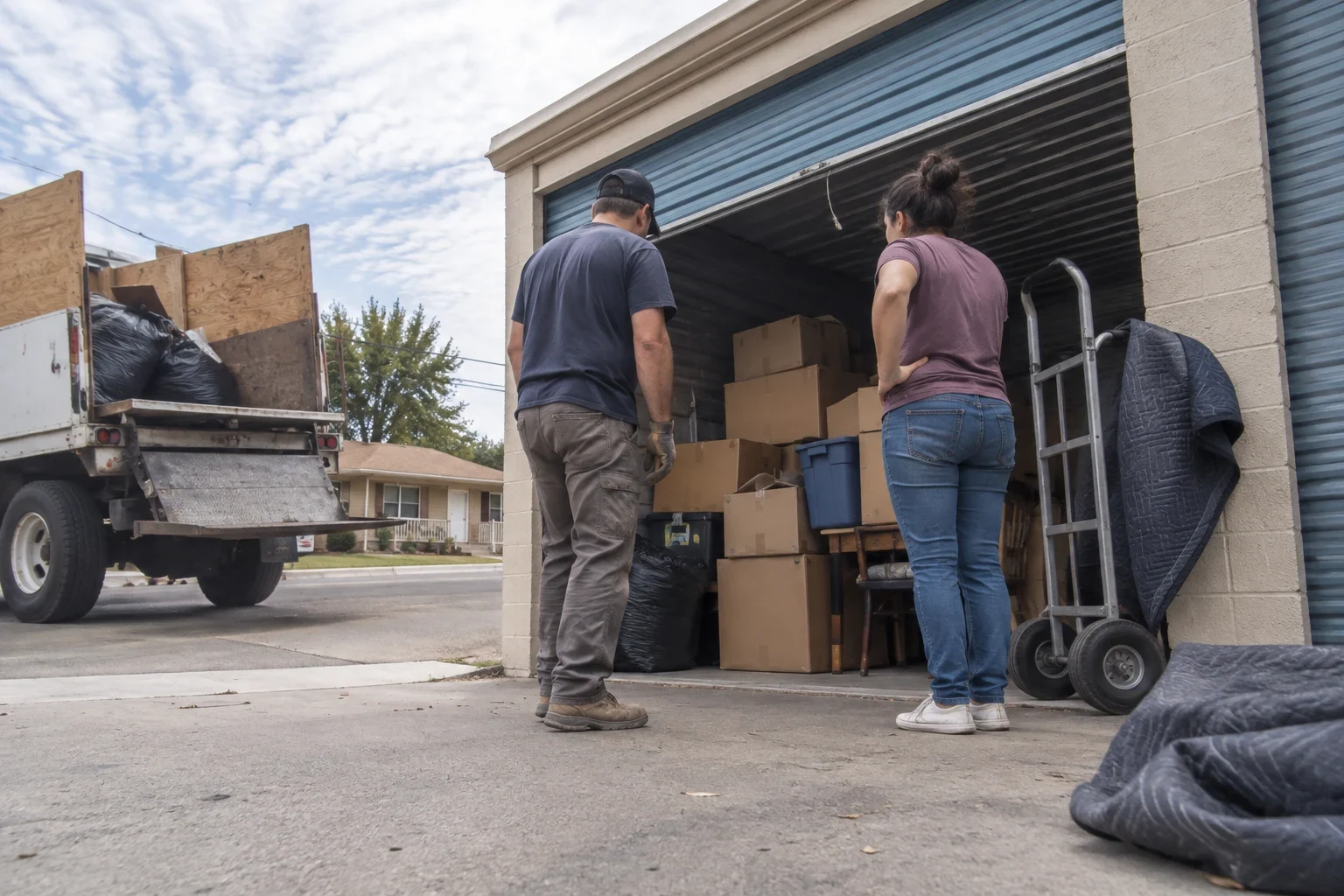
Shed removal questions
Do I need a permit to remove my shed?
Most freestanding backyard sheds can be taken down without one, but rules vary by city and county. If the shed has electrical service or is attached to another structure, check with your local building department first. We are happy to talk through what to ask when you reach us by phone.
Will you take the concrete pad too?
We remove skids, blocks and gravel bases as part of shed removal. A concrete slab is a separate step that takes more time and equipment. Mention it on the call and we will price it on site so you can decide.
Can you save any of the materials?
Often, yes. Solid lumber and clean metal panels are separated for reuse or recycling where the condition allows. Weathered shingles and rotted wood usually cannot be saved and go to proper disposal.
What if the crew damages a fence or plants?
We work top down and carry panels out rather than dropping them, which keeps most of the weight away from fences and beds. We are fully insured with commercial general liability coverage, so you are protected if something does go wrong.
Do you serve towns outside Isleton?
We do. Beyond Isleton, we take down sheds in Rio Vista, Oakley, Antioch, Brentwood and other towns close by. Share your street when you phone, and we will let you know whether your property falls within the area we cover.
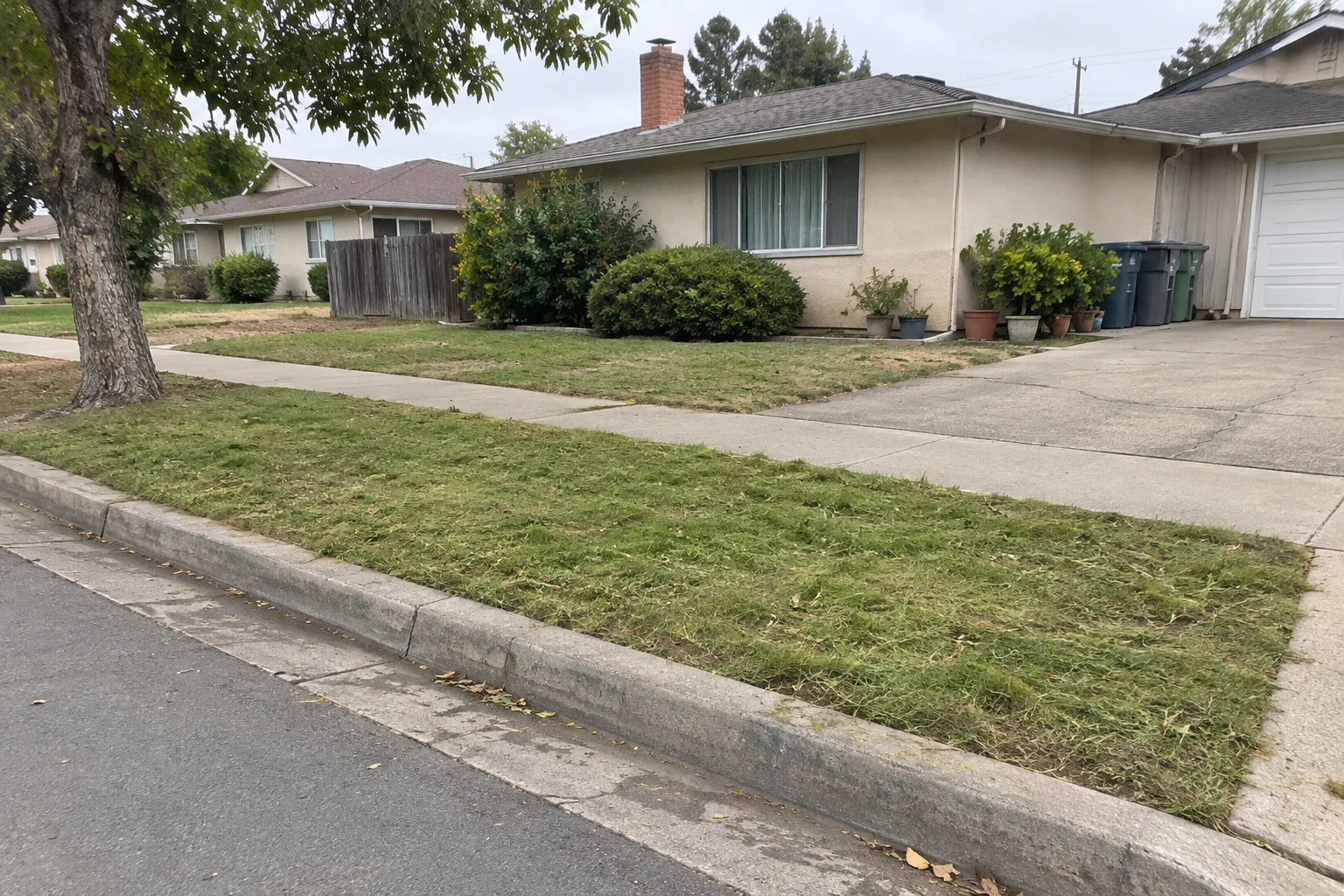
Ready to reclaim that corner of the yard
Tell us what your shed is made of and where it sits. We will come look, give you one firm price on site and take it from there.